

Since the beginning of the year, the recurring pandemic has made staying at home the new normal, confining many free spirits. The outdoors has become a longed-for destination—a perfect escape to reconnect with nature and breathe freely after the stifling constraints of the pandemic. Various outdoor activities have gained popularity, and the "glamping" (or "wild luxury") lifestyle has emerged as the latest passion among the urban elite. You may have heard of "new luxury" or "accessible luxury," but are you familiar with "wild luxury"?

"Wild luxury"—or *ye she*—is the pursuit of a high-end, opulent lifestyle set amidst pristine natural scenery. It represents a form of luxury that is both material and spiritual—a perfect fusion of nature and refined taste. From "glamping" and ultimate frisbee to stand-up paddleboarding, the urban elite are constantly seeking out experiences that are more rugged, adventurous, and off the beaten path. And when it comes to "wild luxury," one cannot overlook the rise of "wild luxury" hotels—a category that has gained immense popularity in recent years.

Imagine being in a hotel, yet surrounded by an idyllic, otherworldly landscape—a setting that invites deep engagement with nature, allowing you to instantly soothe your spirit and unwind. Amidst the clamor of urban life, the longing for nature only intensifies. As the soul draws closer to the natural world, the boundaries between human civilization and nature begin to blur.
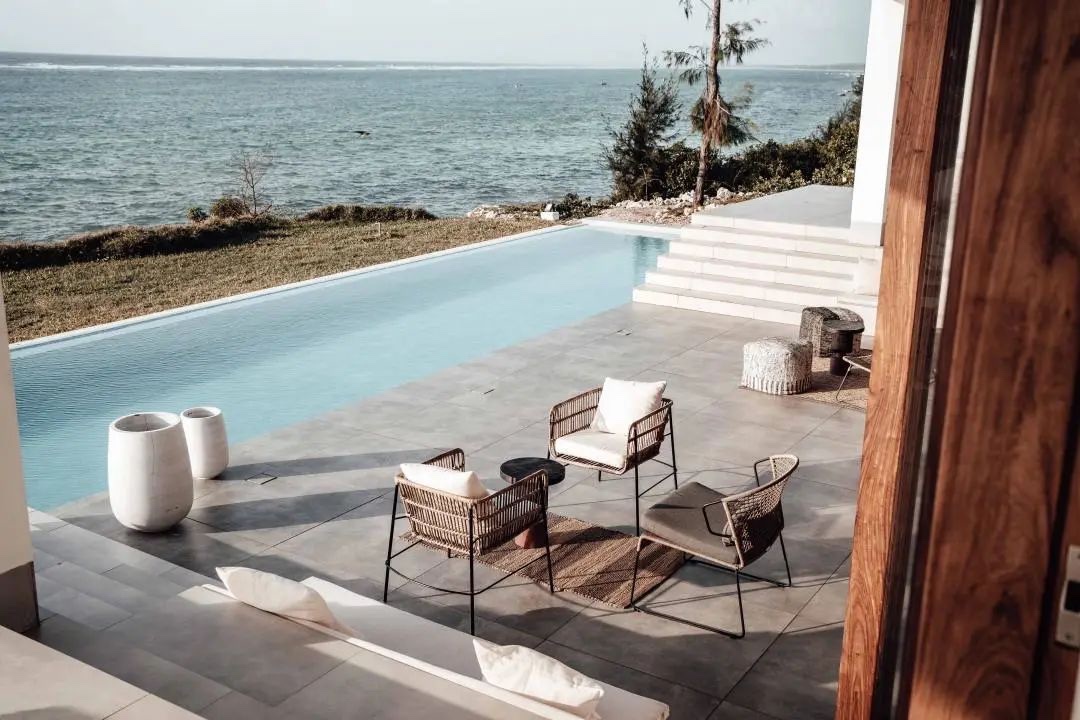
Aman, a world-class hotel brand synonymous with understated luxury, embodies this "wild luxury" aesthetic.
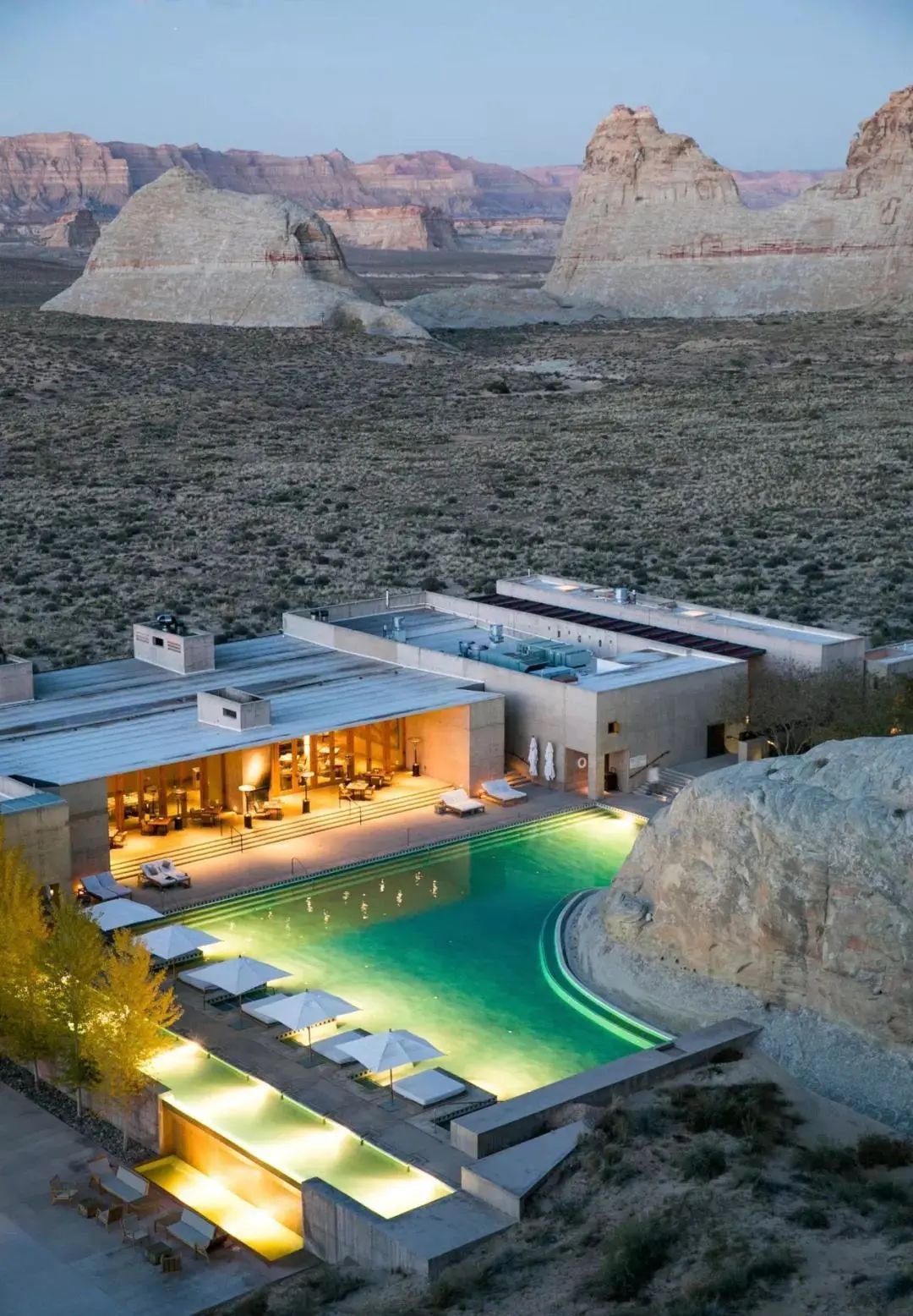
Nestled deep within the deserts of Utah—near Horseshoe Bend and Antelope Canyon—lies Amangiri. To mark the hotel’s tenth anniversary, the resort unveiled "Camp Sarika by Amangiri," a sprawling 243-hectare expanse of pristine wilderness and Aman’s first-ever luxury tented camp. Featuring ten tented pavilions that blend seamlessly into the natural landscape, the camp offers a sense of both seclusion and adventure, elevating the concept of wilderness luxury to new heights.

The "barefoot luxury" (or "wild-luxe") style of this hotel is hinted at in its very name. "Sarika" is derived from Sanskrit, signifying "open space" and "boundless sky." The camp, nestled here, embodies a raw yet minimalist aesthetic—as if it were just a single step away from nature in its most pristine form. The concept is to return the living environment to the wild, blurring the boundaries—forged amidst the clamor of city life—between humans and nature, as well as between individuals themselves. It invites guests to follow their true instincts, embracing a lifestyle defined by comfort and effortless spontaneity.
In many contexts, human interaction is governed by a host of rules; in such a setting, the concept of "boundlessness" emerges as an ideal. What does "boundlessness" entail? It means the dissolution of boundaries—a form of engagement that draws people closer together. Yet, in the wake of the pandemic, travel has been restricted and life has become increasingly confined to the home, rendering the dream of "wild luxury"—an immersive, nature-based, yet refined lifestyle—seem all the more out of reach.

How can we bridge emotional distances and achieve seamless interaction within a small space? The key lies in prioritizing human needs when shaping a home—specifically, by adopting an open-plan design.
Open-plan design allows spaces to flow into one another, creating room for life to breathe. By embracing a "boundless" philosophy, the physical limits of a space are minimized as much as possible. So, where is the best place in a home to implement this boundless approach? The answer is the living room.

The design concept of the "boundless living room" breaks away from the rigid, traditional separation of living, dining, and sleeping areas. By integrating the living room with the kitchen, it creates a space dedicated to socializing and entertainment—a setting where life can unfold with the relaxed, spontaneous ease of camping. It dissolves the boundaries typical of the adult world, allowing for genuine, spark-filled connections between souls.
Boloni’s "Discover Mars" home collection embodies this very interpretation and exploration of the "boundless" concept.

The living and dining areas are designed as a unified, full-height space, creating a vertical continuity that draws the eye upward. Clean lines simplify the environment, dissolving the traditional boundaries between the living and dining zones. By integrating complex details into a cohesive whole, the design allows the various public areas to blend seamlessly. Grey-tinted, transparent, yet richly textured glass expands the space visually; it conceals intricate elements while its reflective surface adds a dynamic, fluid quality to the atmosphere.
The combination of wood grain and glass lends a refined touch to the transition between the kitchen and the living room. A consistent color palette flows throughout the space, where an open, airy layout reveals an aesthetic of minimalist restraint—a true reflection of the owner’s personal taste.
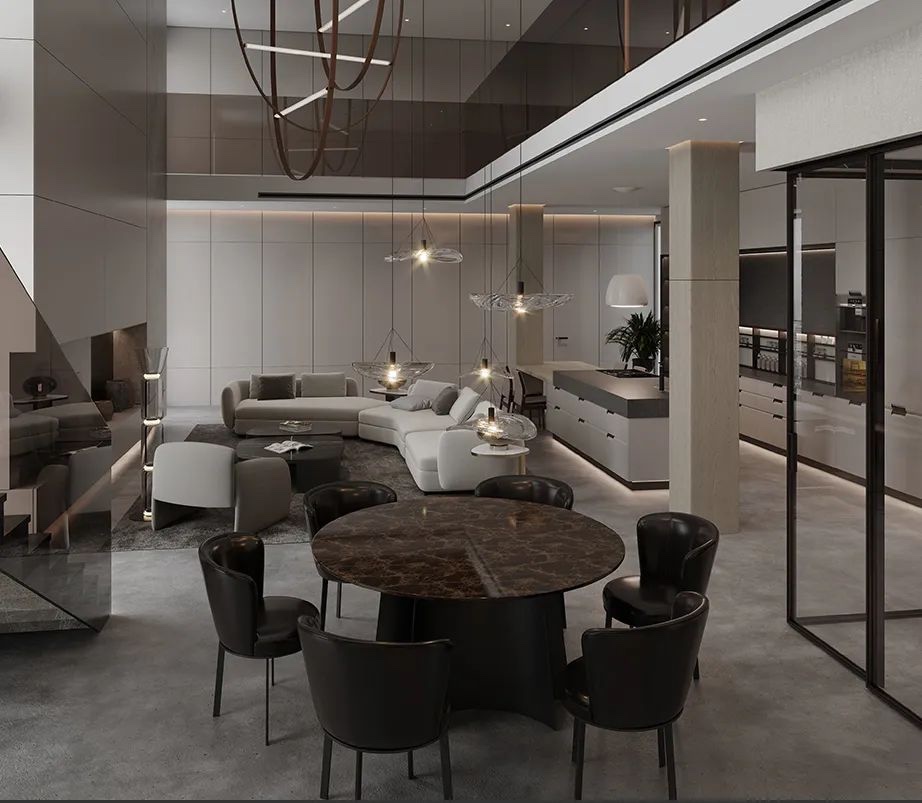
The living, dining, and kitchen areas are integrated into a single, cohesive space—one that remains uncluttered, defined by minimalist lines and an aesthetic where simplicity triumphs. Living in such an environment facilitates effortless interaction among family members; as engagement increases, so too does the closeness of their souls.

The concept of "boundlessness" is not limited to the wild outdoors; it can be brought into the home as well. By centering residential design around this idea of "boundlessness," you can step away from the superficiality of the outside world and fall in love with life all over again.

 Email
