

The mountain peaks stand less than a foot from the sky.
Like a giant, the mountain looms near the heavens, gazing down upon all living things—an image of profound solitude.
A sudden breeze stirs against the sheer, precipitous cliffs.
The terrain is perilous; many a peak can be admired from afar, yet remains beyond reach. Mountains have long been a recurring presence in art—in poetry, cinema, and painting alike.
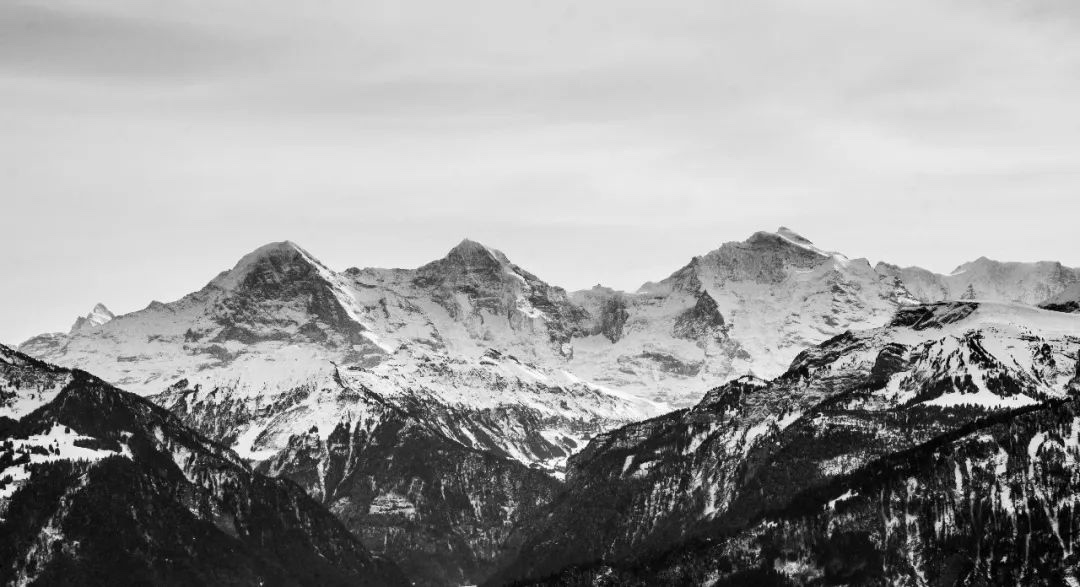
Mountains have a thousand faces; they appear differently in every work of art.
The higher the mountain, the greater the challenge—yet even for the world’s highest peak, there is never a shortage of those who yearn to stand at its summit.
In the film *The Wildest Dream*, a mountain serves as a goal for successive generations of climbers. George Mallory, equipped with only the most rudimentary gear, pushed himself to the absolute limit. He attempted to scale Mount Everest three times, and each failure only strengthened his resolve to conquer it. When he was just over 200 meters from the summit, he vanished, his body eventually buried by snow and ice. Whether he actually reached the top remains an unsolved mystery to this day. Yet, long after him, countless others have continued to follow in his footsteps, treading the same path toward the summit. When a reporter once asked George Mallory why he climbed mountains, he replied: "Because it’s there."
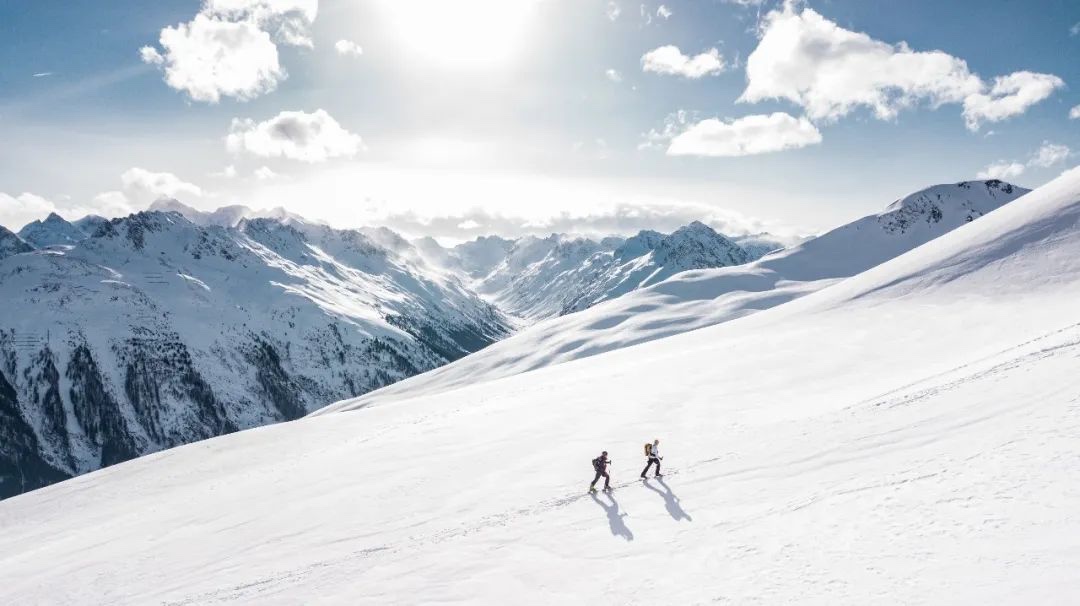
In this film, perhaps no elaborate justification for climbing is needed; the mountain stands there, and that in itself is the goal.
Mountaineering is an endless pursuit.
In the novel *The Mountain* by science fiction author Liu Cixin, a mountain is more than just a mountain. When extraterrestrials arrive, they construct a "water mountain" on Earth. After a human climber reaches the summit, a dialogue unfolds between the alien and the climber:
"We built a mountain, and you climbed it."
"I enjoy climbing."
"This isn't a matter of preference; we *must* climb."
"Why? Are there many mountains in your world?"
"Mountains are everywhere—it’s just that the ways to climb them differ."
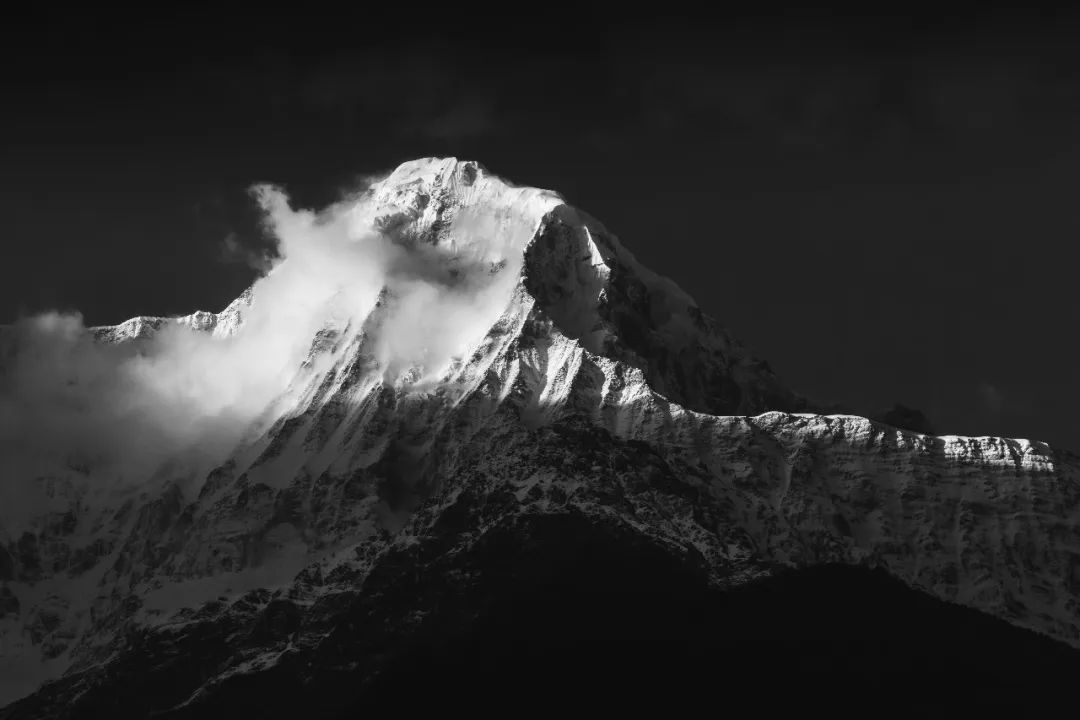
Mountains are omnipresent, imbued with profound philosophical significance. Here, a mountain is more than just a physical landform; it has transformed into a goal to be pursued—only by surmounting it can one attain a sense of transcendence.
Mountains also possess a romantic quality.
*The Giant Mountains*, a work by the renowned German landscape painter Caspar David Friedrich, reveals this romantic dimension. A vast, undulating range unfolds in a rich palette of colors, assuming a myriad of forms. The peaks, nestled against one another, appear both majestic and infinitely tender. These mountains are neither jagged nor ostentatious; though they are towering, they evoke no sense of cold detachment. While the painting is realistic in style, its soft, gentle hues lend the mountains an alluring charm—a touch of true romance.
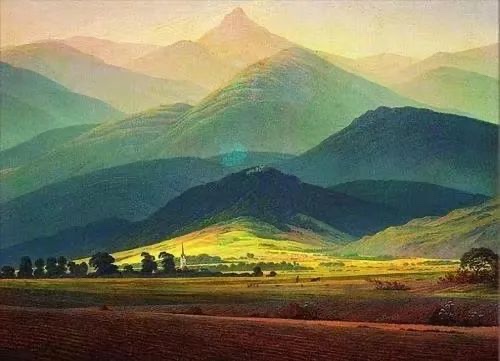
Mountains are multifaceted; Boloni perceives in them both grandeur and solitude.
When Cai Ming first traveled to Milan alone, he glimpsed the future of the Chinese home furnishing industry amidst that solitude. Driven by a commitment to constant self-transcendence and innovation, he holds himself to the highest standards—choosing to pursue what is difficult yet right. He has ventured ever further along this solitary path, leaving behind nothing but a resolute silhouette.
Choosing excellence inevitably entails solitude; the more arduous the path, the fewer the companions. To behold the most breathtaking scenery, one must embrace being alone. There is only one summit to the highest mountain, and those who stand at the pinnacle are always few. For 30 years, through the hardships of founding and the solitude of the journey, he has scaled one invisible mountain after another. Now, standing before a real mountain, he approaches it with the same unyielding desire to conquer.
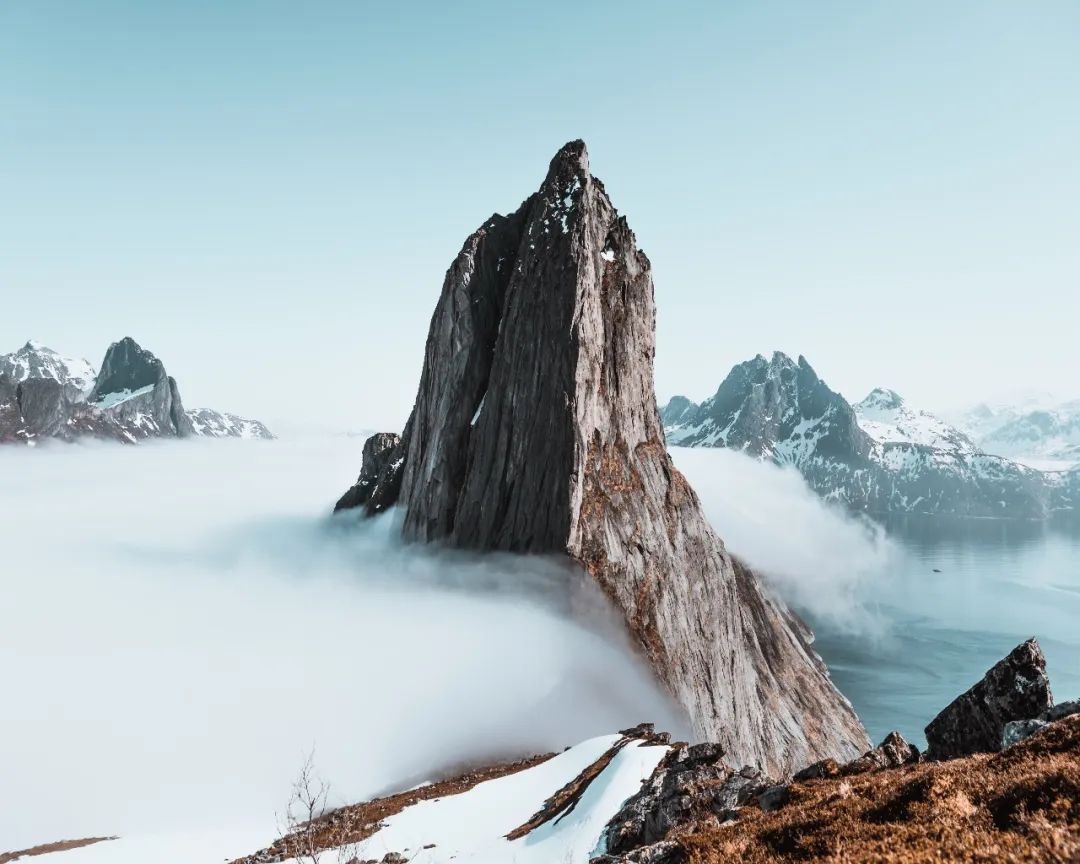
The road ahead is rugged and fraught with peril, yet Boloni will continue its ascent, forging a path across these challenging terrains.

 Email
